
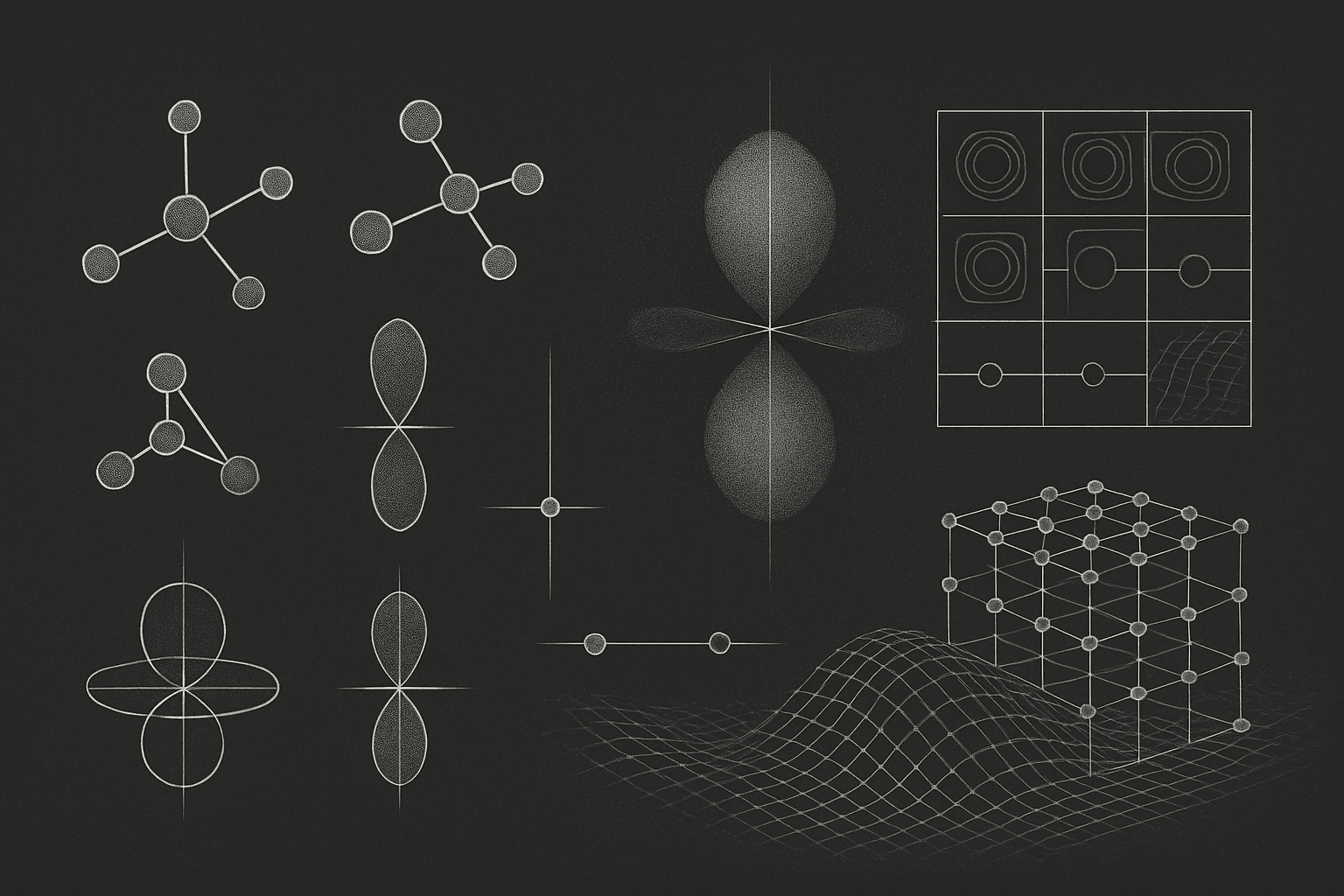
The chemistry layer sits above the circuit layer
OpenFermion, Tequila, Qiskit Nature, Tangelo, and related tools show how chemistry workflows add domain structure on top of general circuit programming. They help readers see how molecular problems are represented, transformed, and evaluated in code before hardware ever enters the picture.
That is why domain libraries matter. They answer questions a generic SDK does not answer on its own.
Why this category stays important
Chemistry remains one of the application areas people cite most often when trying to explain why quantum computing could matter. Whether or not every claim survives contact with hardware limits, the software in this category shows what serious domain-oriented quantum workflows look like today.
It is a good counterweight to ecosystem summaries that stay too close to abstract circuit tutorials.
How to approach the category
Start with one domain tool and one general framework, not five domain tools at once. That makes it easier to separate domain concepts from framework conventions. OpenFermion and Tequila are both strong educational anchors because they make the domain layer easier to inspect.
The goal is not to master chemistry immediately. It is to understand how domain software changes the structure of a quantum workflow.
Resources to open next
The goal of this guide is to help you navigate toward the right tools, not stop at the overview. The resources below are the strongest next clicks for this topic.

FermiLib
FermiLib: Open source software for analyzing fermionic quantum simulation algorithms
90 stars · Updated 8y ago
OpenFermion
Python package for compiling and analyzing quantum algorithms to simulate electronic structures.
1,697 stars · Updated 3mo ago

qiskit-nature
Qiskit Nature is an open-source, quantum computing, framework for solving quantum mechanical natural science problems.
385 stars · Updated 3mo ago

Tangelo
A python package for exploring end-to-end chemistry workflows on quantum computers and simulators.
137 stars · Updated 8mo ago
tequila
A High-Level Abstraction Framework for Quantum Algorithms
428 stars · Updated 3mo ago